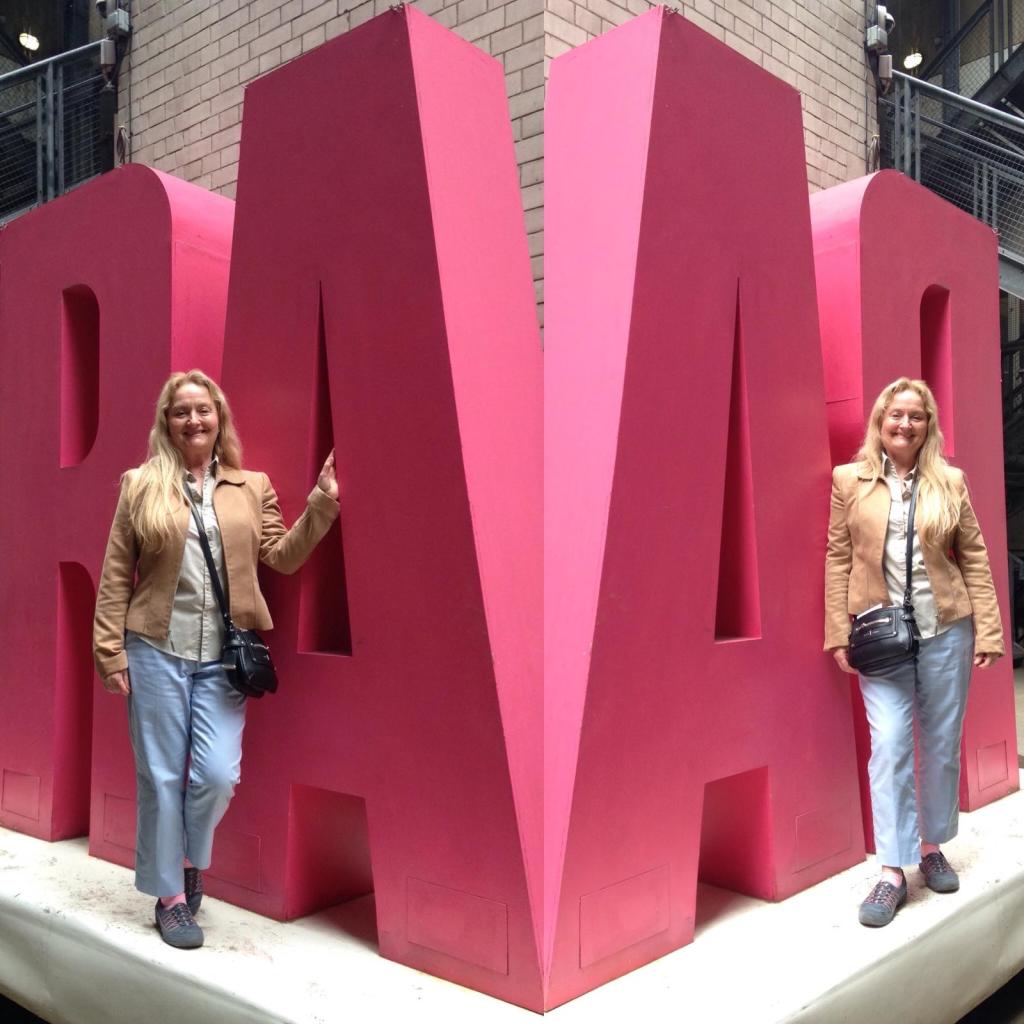
Launched in 1769, the Royal Academy Summer Show is now the world’s largest open-submission art show and for centuries it has been the exhibition to get selected for. The inaugural show featured 136 works by 56 artists, this year 1,700 works were selected and around 11, 000 rejected. The rigorous selection process is co-ordinated by Royal Academicians [members of the Royal Academy] who also include their own work.
FAMOUS REJECTS
Amongst the famous rejects, Edouard Manet’s Luncheon on the Grass (1863) was considered too risqué for the Royal Academy’s conservative tastes. James McNeil Whistler’s Woman in White (1862), more familiarly known as Symphony in White, No 1: The White Girl (1861-63), was also rejected. Joanna Hiffernan, the model in the work, expected this and warned months before: “Jim says… the old duffers may refuse it altogether.” However, it did get accepted by the 1863 Salon des Refuses, Paris. These alternative shows emerged over the centuries to mop up works rejected by prestigious institutions such as the Royal Academy and the Academie des Beaux-Arts. However, Banksy didn’t feel the need to reach out to these alternatives when his anti-Brexit work Vote to Love was turned down for the RA’s 250th summer exhibition. He submitted it under the pseudonym Bryan S Gaakman [an anagram of Banksy]. Once his real identity became known, he was contacted by Grayson Perry, who was co-ordinating the next show, and the same work was included.
So how does it feel to get accepted for this prestigious summer show? London and Bristol-based painter-printmaker Denise Ballard-Wyllie has been selected twice and says “it felt like the best day of my life.
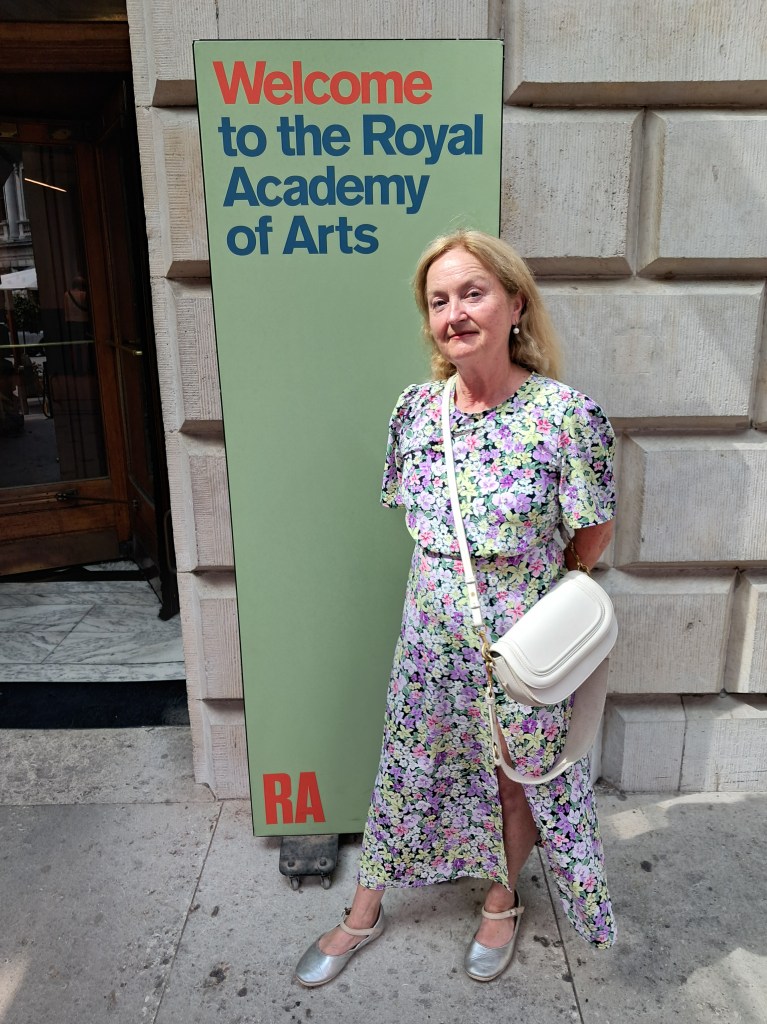
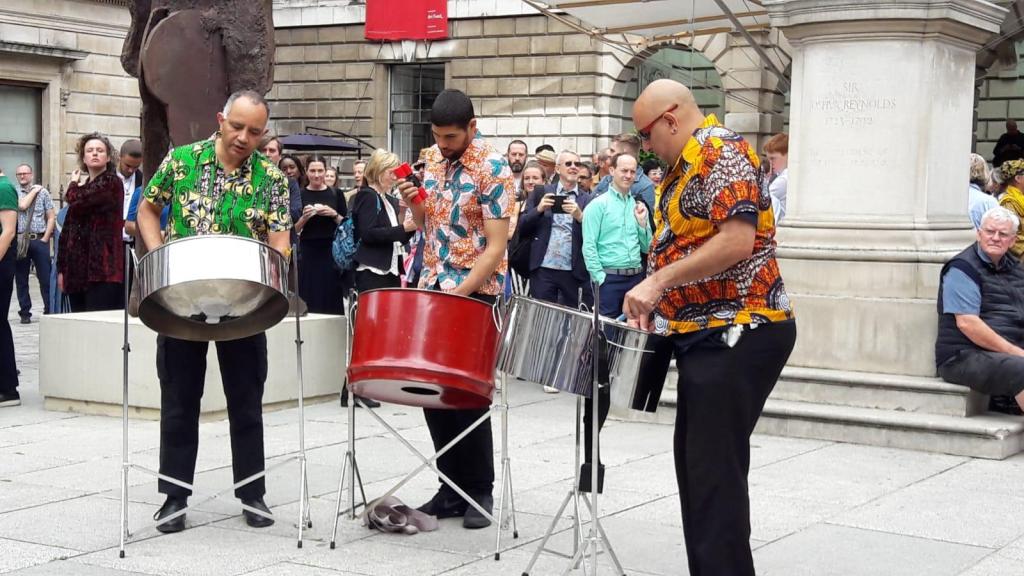
And she has fond memories of Varnishing Day, a centuries-old tradition which brings together the exhibiting artists to add final touches to their work and get to know each other. She recalls meeting the other artists for first introductions in the RA forecourt by the statue of founder Joshua Reynolds. This year, they were entertained by a steel band and sang hymns in the nearby St James’ Church, which held a service for the artists.

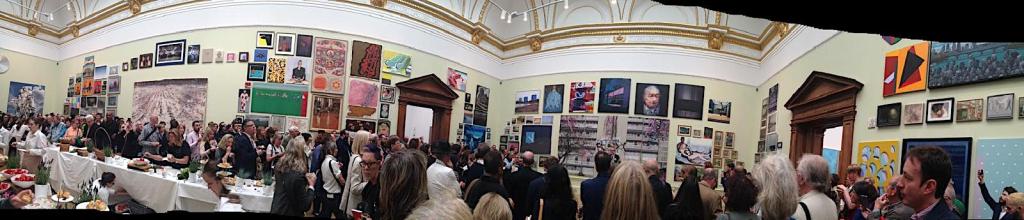
Later, everyone gathered inside the RA to chat and mingle. Denise describes it as a:‘fantastic atmosphere. I thoroughly enjoyed bonding with the other artists. It made me feel connected.’
Constable and Turner
If Varnishing Day is traditionally a day for final touches and bonding with fellow artists, 19th-century giants Constable and Turner got the message loud and clear about the former but not the latter. With the 1832 Summer Exhibition approaching, it’s said that Turner stood behind Constable as he put the final touches to his seven-foot canvas The Opening of Waterloo Bridge. Turner, only too aware of being overshadowed by his rival, added a red blob to his own work, the dramatic and darkly-Dionysian seascape Helvoetsluys. He waited for the very last session of Varnishing Day before fashioning the blob into a buoy on the sea. Constable wasn’t too impressed by his last minute one-upmanship.
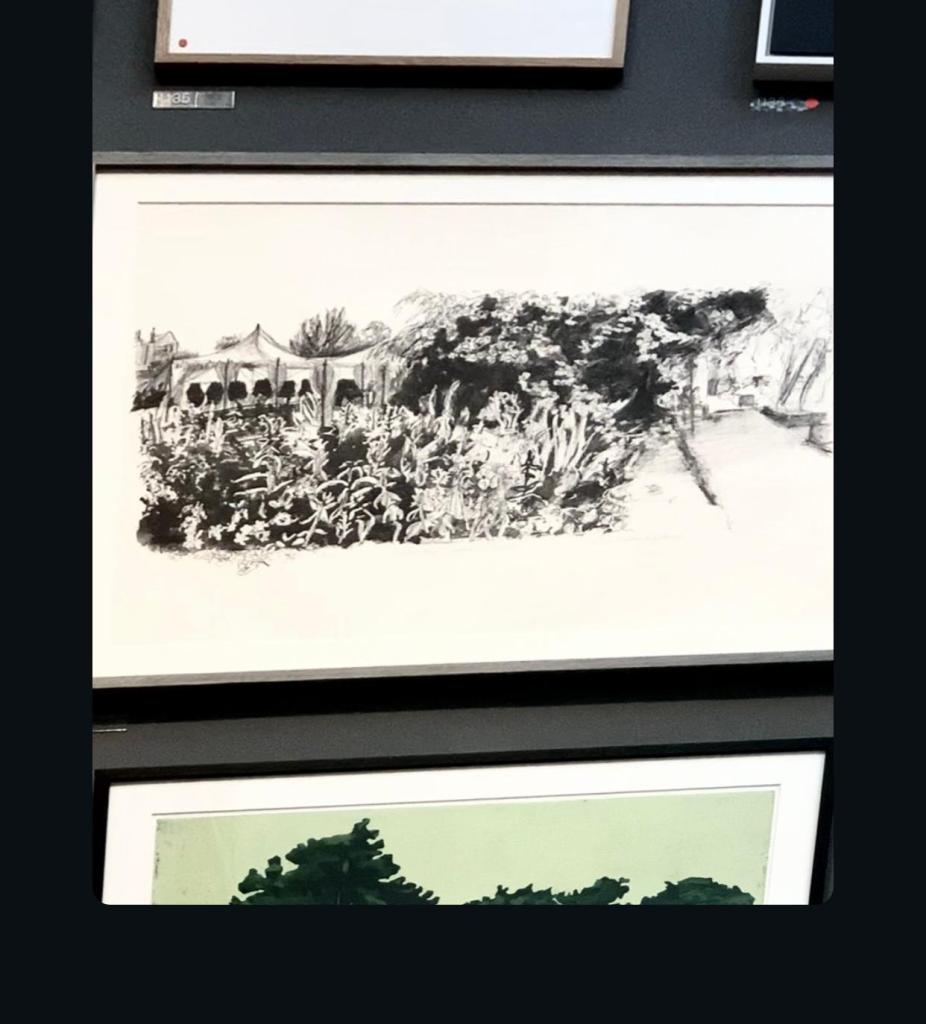
Denise Ballard-Wyllie says: “I didn’t make last minute changes to my work Chelsea Physic Garden in Summer on Varnishing Day. However, another artist realised their work had a scratch on it and the organisers allowed them to come back to fix it. Varnishing Day is the first time you see your work on the walls after submitting it but it’s no longer a day for final touches. Today, it’s a day of celebration and comradery.”
Best spaces on the wall
It’s a standard spectacle now but even in the 18th-century, works were hung floor to ceiling in a ‘salon-hang’ style, with all available wall space taken up. Inevitably, there would be competition for the favoured spots where canvases can easily catch the eye. One historic spot-spat involved Britain’s two leading painters, Joshua Reynolds (1723 – 1792) who was president of the RA, and Thomas Gainsborough (1728 -1788), a founder member. Gainsborough complained that Reynolds always got the best spots because he was president.
Denise Ballard-Wyllie says: “my work is placed high on the wall but I feel honoured to be included. Everybody wants the best eye-level space but it’s just not possible. There were tiny pictures above mine; bold pictures still stood out at that height.”
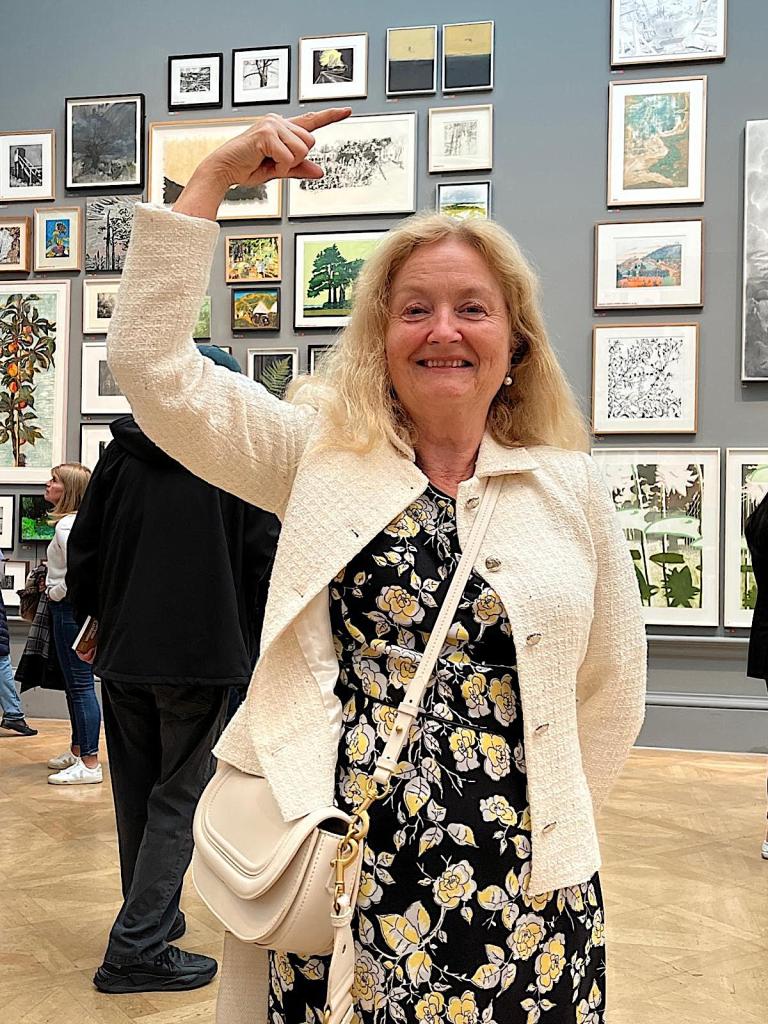
Explaining the ‘salon-hang’ style, Denise says: “some RA curators like Anne Desmet arranged their displays in clearly-defined themes, colours and tones so that it all makes sense as visitors follow the work. She ensures the layout has some sort of pattern. But others curate the work llike a wacky storyboard in a very random way. Each curator has their own approach.”
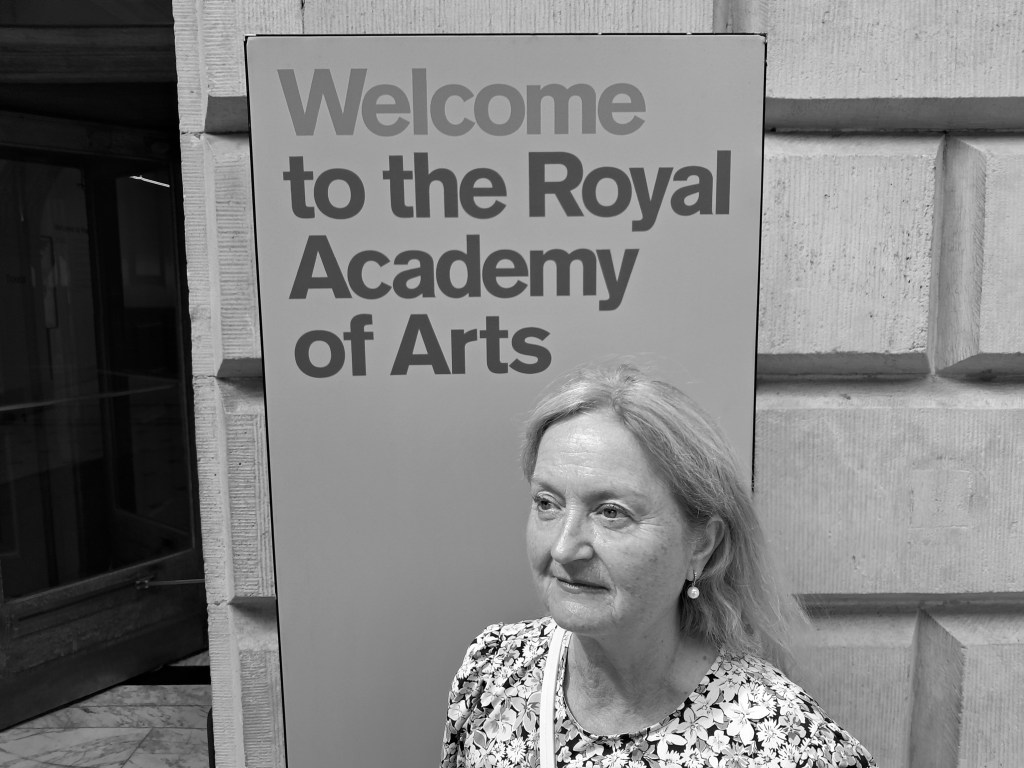
There’s still time to catch the Royal Academy Summer Exhibition 2024 and see Denise’s work!
Artist Denise Ballard-Wyllie
Artwork Chelsea Physic Garden in Summer
RA Exhibit No. 1139
 SLIPSTREAM